AI for small business owners in 2027: 5 jobs you shouldn't still be doing yourself
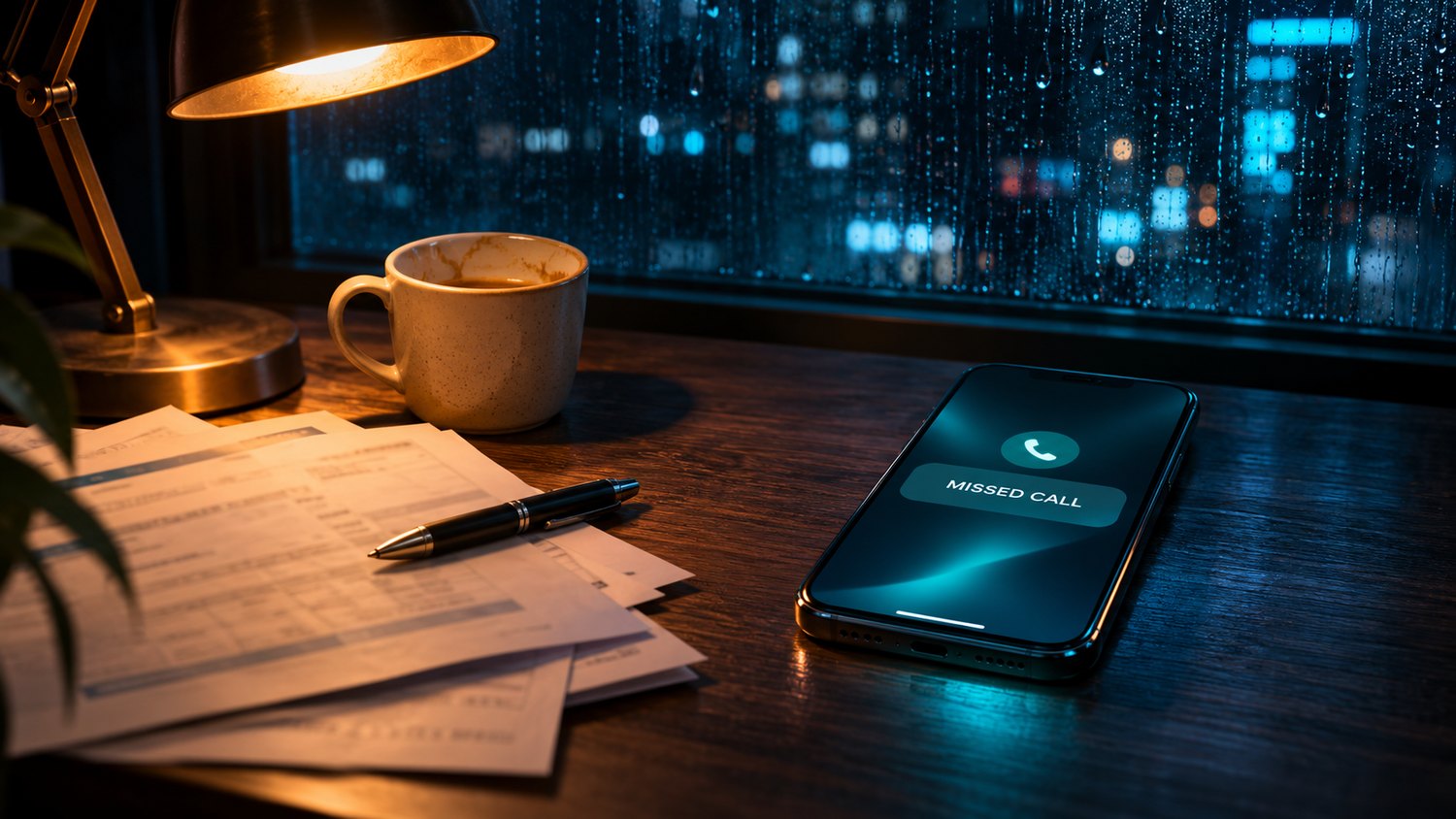
You're halfway through a job. Your phone buzzes in your pocket.
You'll call them back later.
Except later turns into tonight... and tonight turns into tomorrow. By then they've already booked someone else.
It's not because you don't care. It's because you're one person doing the work, answering the phones, sending the quotes, chasing the invoices and trying to remember who you promised to call back.
That's the kind of work AI is genuinely good at in 2027. Not robots taking over your business. Just the boring, repetitive jobs that eat your evenings, handled properly.
Here are five jobs you shouldn't still be doing yourself this year.
1. Answering every call, including the ones you miss
Missed calls are the most expensive thing most small businesses never measure.
- 82% of people will call a competitor if you don't pick up. (CallRail)
- Only 15% leave a voicemail. (Quo)
- 69% of missed calls never get a callback within 48 hours. (Quo)
So that "I'll ring them back" call? Most of the time, it's already gone.
This is where a lot of owners start looking at an AI receptionist for small business. And if you're asking "is an AI receptionist worth it?"... yes, if it does more than pick up and take a message. A good one answers like a real person, asks the right questions, gets the caller's details right and texts them straight to you. No phone menu. No "press 1".
2. Getting quotes and invoices out the same day
Answering the phone is only half of it.
That's why I stopped calling Maya a receptionist. She's an AI office manager. One business owner I work with simply rings her to send out quotes and invoices. Maya books her consultations and sends the follow-up texts too. No more sitting at the laptop at 10pm.
The faster a quote lands, the more likely it gets accepted. The faster an invoice goes out, the faster you get paid. Simple as that.
3. Follow-ups and reminders that actually happen
Every business has a pile of "I'll follow that up" that never gets followed up...
The quote someone was "thinking about". The customer who wanted to book "after the holidays". The appointment reminder that never went out, and the no-show that came with it.
An AI office manager doesn't forget. Reminders go out on time, follow-up texts get sent, and the leads that would've gone cold get a nudge while they're still warm.
4. Being found where people actually search now
How people find a business has changed. Google's AI answers now give people what they need right on the results page, and nearly 70% of searches end without a click. (LocaliQ)
More and more people are also just asking ChatGPT "who's the best [your trade] near me?"
And this is where smaller businesses can win. Most of the sites AI tools cite aren't in Google's top 10. (WordStream) A smaller business with a clear, well-built website can absolutely get recommended.
What helps: headings that say exactly what you do and where, real detail about your services, a fast site, and a site that works properly on a phone.
5. A website that brings in work, not just a brochure
Plenty of small business websites look fine... and do nothing.
In 2027, judge your website on one thing. Does it bring in enquiries? Not likes. Not visits. Calls, bookings and quotes.
A premium website makes it dead easy to get in touch, shows your real work and loads fast. Pair it with an AI office manager and every enquiry it brings in actually gets answered.
Where to start
You don't have to hand all five over at once. Start with the one that's costing you the most. For most business owners, that's the phone.
If you're wondering how AI could fit into your business in 2027, let's talk it through.